
Le quai d’Orsay ne fait pas de commentaires. L’affaire rappelle toutefois le scandale Pegasus, ce logiciel espion développé par la société israélienne NSO qui avait permis de pirater des dizaines de milliers de smartphones.
Ankara believes the attempts were unsuccessful, citing enhanced security measures and encrypted applications

The Administrative Office of the U.S. Courts told TechCrunch that it will start disclosing how many times judges authorized the use of spyware to wiretap suspected criminals.
The SHARE Foundation has confirmed that at least 14 people in Serbia were targeted with advanced spyware since at the beginning of 2026 – the largest documented wave of such surveillance in the country to date. Those targeted include members of the student movement, activists, a member of parliament, and a local councilor, all from […]
Eight victims of a Greek wiretapping scandal have sued the Athens-based surveillance firm Intellexa SA and individuals believed to be linked to it, seeking €1 million ($1.1 million) each for moral harm, their lawyer said on Tuesday.
“It is a direct attack on the rule of law,” says one European Parliament member of the new findings from Citizen Lab.
From product demonstrations at a secret villa in Rabat to training sessions at NSO’s Herzliya headquarters, Forbidden Stories and its partners retrace the early stages of Morocco’s use of Pegasus.
This technical analysis provides the most detailed view yet into the inner workings of the Pegasus spyware system. This includes confirmation of key technical capabilities such as the infection vectors and methodologies used to infect devices, supported by analysis of internal NSO Group documents, that until now had only been identified via forensic investigations. It also presents new material further validating the accuracy and significance of the dataset underpinning the original Pegasus Project investigation. Finally, this research provides an updated analysis, drawing on previously published Pegasus forensic evidence and newly released materials, to validate the technical methodology used to forensically link Pegasus spyware attacks targeting different victims as originating from the same Pegasus customer.

Trailing targets, monitoring internet cafes, deploying spyware: Morocco has mobilized a massive arsenal of surveillance tools against journalists and dissidents in recent years.

However, new evidence reviewed by the consortium confirms “traces of compromise” by Pegasus on the phones of seven members of the government at the time: Jean-Michel Blanquer, Jacqueline Gourault, Julien Denormandie, Emmanuelle Wargon, François de Rugy, Florence Parly and Lecornu.
The minister also did not recall the details of her meeting with Benny Gantz, the Israeli minister of defense, who, according to NSO co-founder Shalev Hulio, handed her a report certifying that no French political figure had been targeted by Pegasus.

New analysis confirms the targeted applications and reveals fast16 was tailored to corrupt uranium-compression simulations central to nuclear weapon design.

The Barcelona High Court reopens the investigation into Pegasus espionage against three Òmnium members, requesting information from the CNI.

After a global Pegasus spyware scandal, El Salvador’s presidential office quietly pursued a new spyware deal through intermediaries.

Despite promising to help determine what happened with the hacks targeting journalists and activists in Italy, Israeli American spyware maker Paragon has reportedly not responded to authorities’ requests for information.
Morpheus: A new Spyware linked to IPS Intelligence

Security officials will warn there is an increasing cyber threat from nation states at a conference in Glasgow on Wednesday.
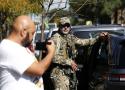
In a letter sent last week, ICE's top official indicated to members of Congress that the agency is using a spyware tool to intercept encrypted messages of fentanyl traffickers.

The Meta-owned company said it identified around 200 users who were tricked into installing a fake version of WhatsApp that was actually Italian-made spyware.
The founder of the commercial spyware firm Intellexa, recently convicted in a landmark wiretapping trial, says his company sells its technology exclusively to governments—an admission opposition leaders claim proves the state orchestrated a massive domestic espionage campaign.

In what became known as "Greece's Watergate", surveillance software called Predator was used to target 87 people.